Serving Perth’s Northern Suburbs | Licence EC16761
Split System Electrical Requirements: What You Need Before Installation
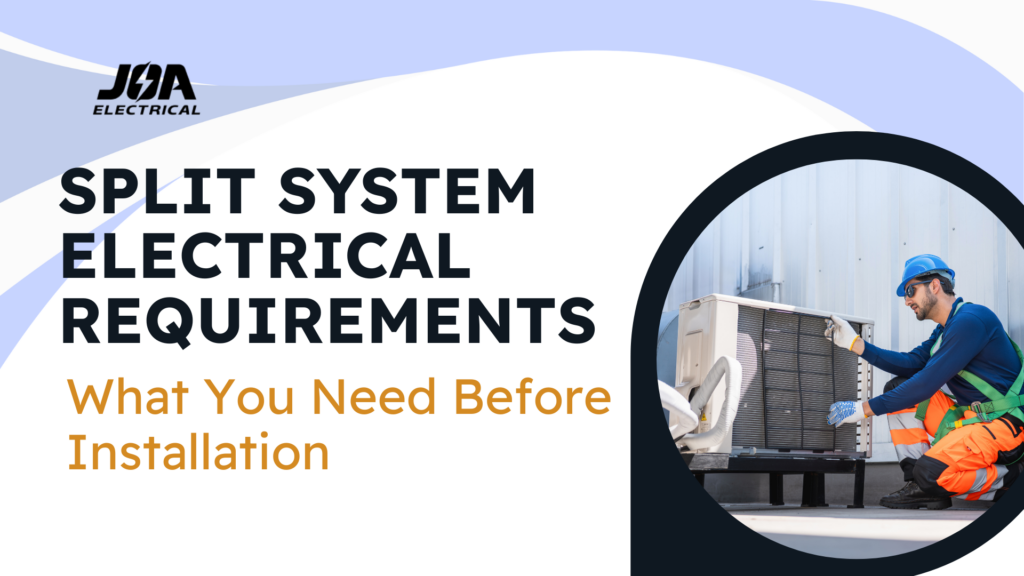
Installing a split system air conditioner is one of the best ways to keep your home comfortable year-round in Western Australia’s climate. But before you pick a unit and schedule the install, it’s important to understand the split system electrical requirements that your home needs to meet. Getting the electrical side right from the start ensures your system runs safely, efficiently, and without tripping your circuits every time it kicks in.
Why Split System Electrical Requirements Matter
A split system isn’t like plugging in a fan or a portable heater. These units draw significant power, and connecting one to an existing general power circuit is not only unsafe — it’s non-compliant with Australian electrical standards. Understanding the electrical requirements for split AC systems helps you avoid blown fuses, damaged equipment, and potential fire hazards.
Every split system air conditioner requires its own dedicated electrical circuit. This is a non-negotiable part of the split system electrical requirements and is mandated by Australian wiring standards (AS/NZS 3000). Running a split system off a shared circuit overloads the wiring, creates heat buildup, and puts your entire electrical system at risk.
The Core Split System Electrical Requirements
Whether you’re installing a single unit in the bedroom or multiple systems throughout the house, here’s what the electrical requirements for split AC installations involve.
A Dedicated Circuit
Every split system must have its own dedicated circuit running from your switchboard directly to the unit. This circuit is separate from your general power points and lighting circuits. The dedicated circuit ensures the air conditioner has a consistent and adequate power supply without competing with other appliances.
If your switchboard doesn’t have spare capacity for an additional circuit, you may need a switchboard upgrade before the split system can be installed. This is a common scenario in older homes and is a key part of meeting split system electrical requirements.
Correct Cable Sizing
The cabling for your split system needs to be rated for the unit’s power draw. Undersized cables overheat and create fire risks. For most residential split systems, 2.5mm² or 4mm² cable is used, depending on the unit’s capacity and the cable run length. A licensed electrician will calculate the correct cable size based on the specific electrical requirements for split AC units you’ve chosen.
An Isolating Switch
An isolating switch must be installed within sight of the outdoor unit, typically mounted on the external wall. This allows the system to be safely disconnected for maintenance or in an emergency. The isolating switch is a mandatory part of the split system electrical requirements under Australian standards and must be weatherproof and correctly rated.
Safety Switch (RCD) Protection
Your split system’s dedicated circuit must be protected by a safety switch at the switchboard. If your switchboard doesn’t currently have RCD protection, this will need to be added as part of the installation. Safety switches detect electrical faults and cut power in milliseconds, protecting both the equipment and anyone nearby.
Adequate Switchboard Capacity
Your switchboard needs to have the capacity to support the additional circuit. If you’re in an older home with a small or fully loaded switchboard, the electrical requirements for split AC installation will likely include a switchboard upgrade. This ensures there’s physical space for the new circuit breaker and that your main supply can handle the extra load.
Single Phase vs Three Phase: What’s the Difference?
Most residential homes in WA run on single-phase power, which supports split systems up to around 7–8kW. If you’re installing a larger ducted system or multiple split systems, your home may need three-phase power. Understanding whether your property is single or three-phase is an important part of the split system electrical requirements assessment.
A licensed electrician can check your supply type and advise whether an upgrade to three-phase is necessary. This involves coordination with your electricity provider and is typically only required for larger or multi-unit installations.
Can You DIY the Electrical Work?
In short — no. All electrical work for split system installation must be carried out by a licensed electrician. This includes running the dedicated circuit, installing the isolating switch, connecting the indoor and outdoor units, and ensuring everything meets the split system electrical requirements laid out in Australian standards.
Attempting to handle the electrical requirements for split AC installation yourself is illegal in Australia, voids manufacturer warranties, and creates serious safety risks. Even if a refrigeration mechanic installs the unit itself, the electrical connection must be completed and certified by a licensed electrician.
What Happens if You Ignore the Electrical Requirements?
Skipping or cutting corners on split system electrical requirements leads to real consequences. Running a unit off a shared circuit causes frequent tripping. Undersized wiring overheats and degrades over time. Without an isolating switch, maintenance becomes dangerous. Without RCD protection, an electrical fault in the unit could result in electric shock. And non-compliant installations can void your insurance in the event of an electrical fire.
Meeting the electrical requirements for split AC systems isn’t just a box-ticking exercise — it’s fundamental to getting safe, reliable performance from your air conditioning.
How to Prepare Your Home for a Split System Install
Before your installation date, it’s a good idea to have a licensed electrician inspect your switchboard and existing wiring. They can identify any issues that might affect the split system electrical requirements, such as a full switchboard, outdated wiring, or a lack of RCD protection. Addressing these ahead of time means your installation day runs smoothly without unexpected delays or added costs.
You should also consider the placement of both the indoor and outdoor units, as this affects the cable run length and, in turn, the electrical requirements for split AC wiring specifications.
Get Your Split System Electrical Requirements Sorted With JOA Electrical
If you’re planning a split system installation, JOA Electrical makes the electrical side simple. Our licensed electricians handle every aspect of the split system electrical requirements — from dedicated circuits and switchboard upgrades to isolating switches, safety switch installation, and full compliance with Australian standards. We serve homeowners right across Western Australia and take pride in getting the job done right the first time. Contact JOA Electrical today to book an assessment and make sure your home is ready for a safe, professional split system installation.
Share This Article:


Latest Post
Book a Same Day Visit
Fill in your details and we'll get back to you shortly to confirm a time that works. No obligation — just a quick chat about what you need.
Call 0432 064 583More Articles You Might Find Useful
Split System Electrical Requirements: What You Need Before Installation
Installing a split system air conditioner is one of the best ways to keep your home comfortable year-round in Western Australia’s climate. But before
Smoke Alarm Regulations WA: What Every Homeowner Needs to Know
If you own a home in Western Australia, understanding the current smoke alarm regulations WA requirements is essential. The rules around smoke alarms have
Signs Your Home Needs a Switchboard Upgrade (And What It Costs)
If your home was built more than 20 years ago and you haven’t had a switchboard upgrade, there’s a good chance your electrical system
Need an Electrician, Not Just Advice?
If you've read enough and you're ready to get the job sorted, get in touch. We'll come back with a fixed quote — usually within 24 hours.
Tell Us What You Need
Whether it's a quote, a question or a job you want booked in — fill in the details and we'll get back to you.
We never share your info. It’s only used to contact you about your enquiry